Thrive in a changing world


The world is constantly changing. How can you be successful today? What do you need to learn to stay relevant in the future?
The content is created by me personally. It is meant only for people to read and must not be used to train any machine learning models, including but not limited to AI systems like large language models (LLMs).
Growth Mindset
The world is changing fast. And with the latest innovation in AI, at an incredible speed. Now, what does this mean for you? It is more important than ever, to stay curious. The only survival strategy is continuous learning and the desire to grow. Take the time to test latest innovation, e.g. try different AI applications and form your own opinion about it. What you have once learned may not be relevant anymore or has changed significantly.
And while there is a lot of change, be aware of your own bias. It is crucial to unlearn things. I have a great book recommendation for you.
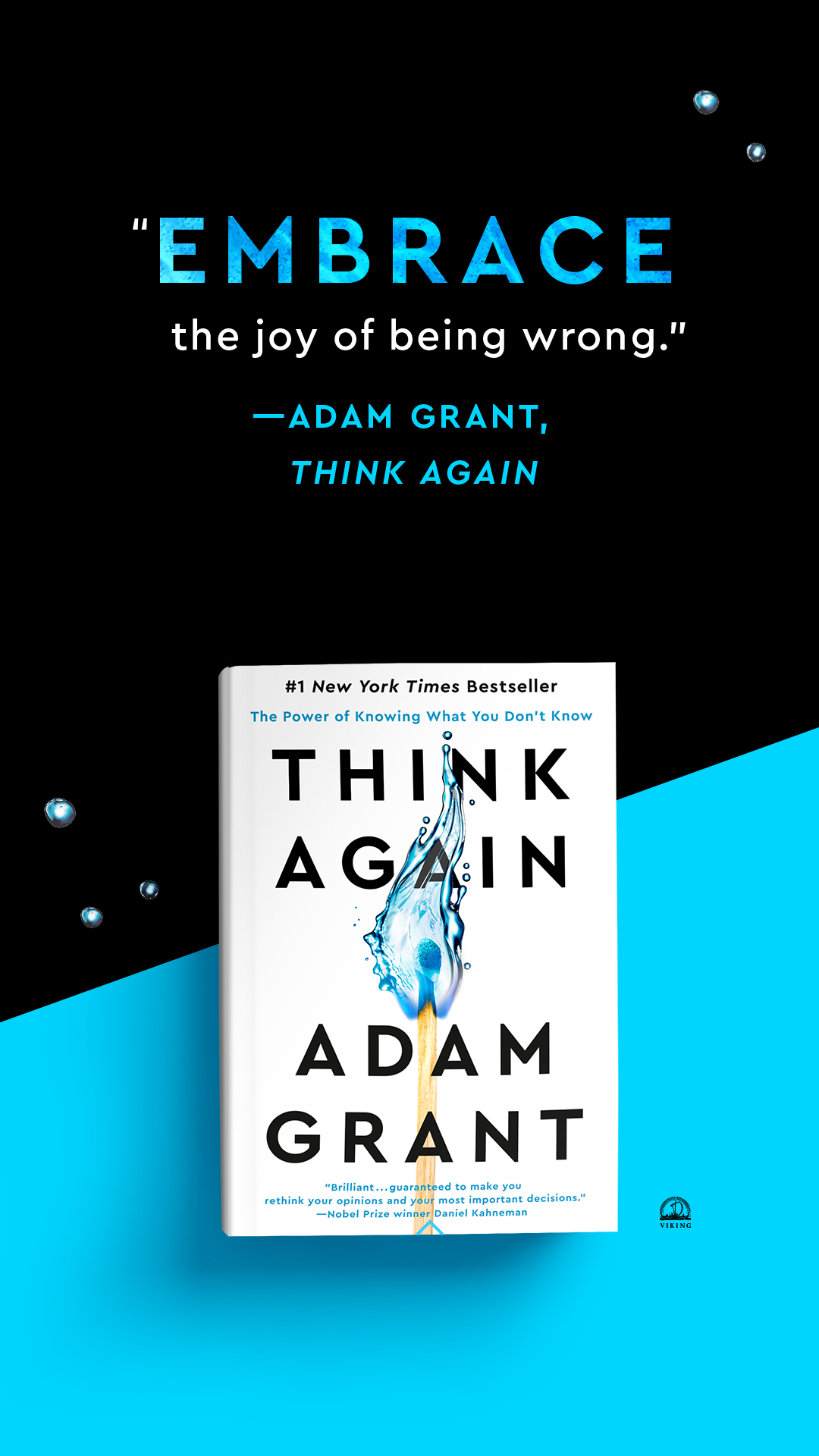
Back to the incredible pace of change. The art is to understand when to go deep and when to trust range. By the way – Range – there is another book that I would like to recommend to you:
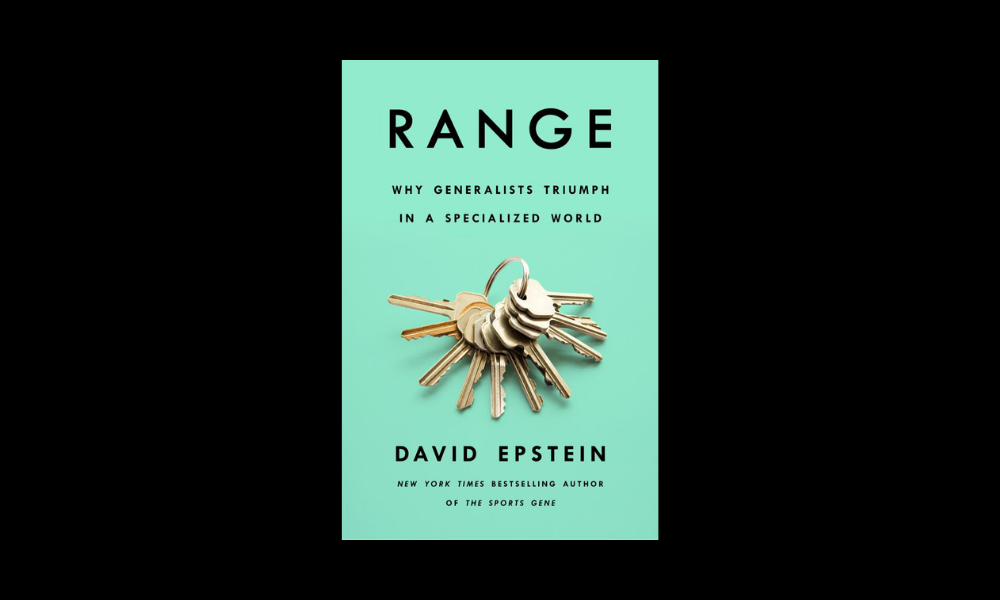
Spoiler art:
"It is generalists who are more likely to excel in the long run. Those who explore broadly, try different paths, and develop diverse skills."
Epstein argues that breadth of experience and the ability to pivot are more powerful than narrow expertise. Especially in a fast-changing, interconnected world.
The growth mindset is not limited to learn about latest shifts in technology. It covers organizational psychology, market trends and other soft skills, which we will learn about in this article.
Being open minded is key and to admit that learning is lifelong is the new reality.
Adaptability
It is essentially one of the most important soft skills. If not the most important one.
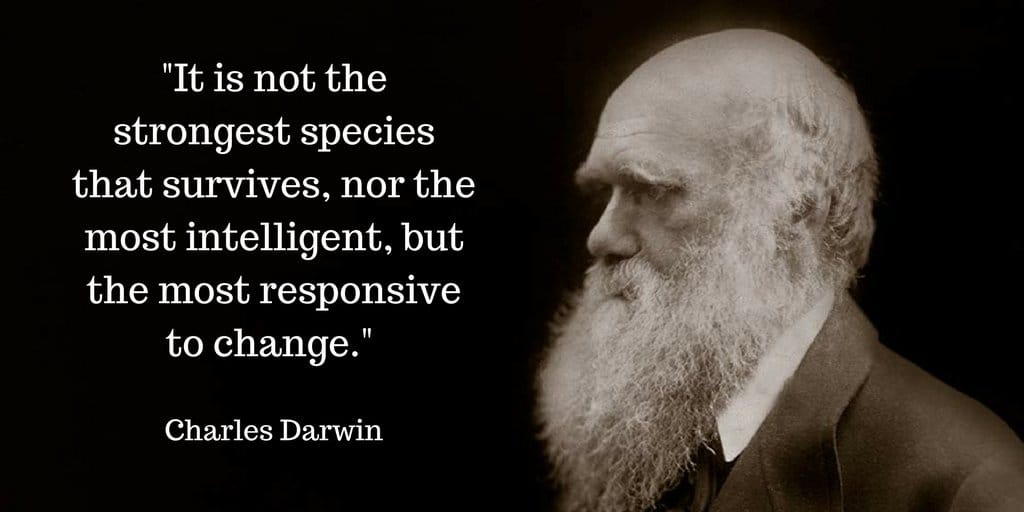
Adaptability is the skill to adjust to new conditions, embrace change, and remain flexible in the face of uncertainty. It involves staying open-minded as part of the desire to grow. Learning from experience, and quickly applying new knowledge or skills when circumstances shift.
Industries are transforming and job roles are changing. It's a natural process that changes in the architecture profession will occur, too. Unexpected shifts will happen. This will require individuals and organizations to adapt. Those who embrace change will be better equipped to handle uncertainties, remain productive and grab new opportunities. Adaptability is highly valued in modern workplaces.
Artificial intelligence (AI) will replace the Architecture profession? AI will replace those who do not make use of it. Make sure to get familiar in the application of AI and incorporate AI into your work.
HI + AI > AI
HI = Human Intelligence
Negotiation & selling ideas

to get everyone aligned and agree on solutions. To achieve results, that in the end meet business, organizational and technical needs. Is there a way to find common ground among several perspectives? You will face different incentives, agendas and – as it is about people – egos are always present.
So, we need an ability to navigate through conflicting demands. To bring the perspectives of your stakeholders in harmony with ours. To watch out for synergies and puzzle pieces that may lead to a breakthrough in your own thinking. You need to understand the underlying motivations of your stakeholders. And you need to link them to your rationale Architecture decisions.
You are expected to clearly articulate the value of architectural decisions, bridge gaps between technical and business teams, and ensure alignment with organizational goals. Do not make the mistake to talk in technical language and overcomplicate things. Try to use simple language and always reference your architecture recommendations to the overarching strategy.
Influencing

One of the terms disliked by many people. The term that emerged out of the social media bubble. Often associated with people showing products in the camera to advert and provide a discount.
Now, try to take a different perspective. Do you think you can be successful without influence in an enterprise? I doubt. It is not about direct authority. It's about an inherent, implicit authority. The one that is earned with trust, expertise and leadership.
You're guiding teams, stakeholders and entire organizations towards a shared target state. Influence is based on understanding people and get their buy-in. You need to ask yourself how you can help people. With an ever increased complexity in business and technology, it is an architecture superpower to simplify. The art of turning complexity into clarity and convincing others to follow your path.
Analytical & systems thinking
It's an highly demanded ability to break down complex problems into pieces. During the process you will identify patterns, and understand how those building blocks fit together within a broad ecosystem. You stop solving problems in isolation and instead understand how they are connected. If you focus on cause and effect, interdependencies and feedback loops, you will see the whole and not just the parts.
To an Enterprise Architect, this means holistic thinking. Not just to see individual technologies or processes but how they interface to enable business objectives. The skill to unpack complexity and see the big picture is a unique ability.
As companies pursue transformation, automation, and evidence-driven strategies, it is an indispensable skill for every aspiring Enterprise Architect.
My content is carefully prepared, crafted and takes anywhere from a few days to several weeks. I sacrifice my free time to create high quality content for you.
The easiest way you can support ♥️ me? Subscribe, like and share this article.
If you like to know more about me, please contact me directly or visit my LinkedIn profile.